Assessment date
Detail
9 July 2026
FutureFox Labs' flagship annual index ranking 20 global luxury maisons by AI Readiness. Deterministic 57-check assessment across technical, entity, structured data, trust, and AI answer architecture signals.
When a buyer asks ChatGPT, Gemini, or Perplexity which luxury watch, handbag, or jewelry house to trust, the answer is assembled from crawlable evidence: entity graphs, structured data, extractable comparisons, trust signals, and third-party authority. Brand heritage alone does not guarantee inclusion. The Luxury AI Visibility Index 2026 is FutureFox Labs' first annual measurement of how the world's leading luxury maisons perform against that standard, using the same 57-check AI Readiness engine that powers our complimentary assessment tool. This is original research, not opinion. Every score in this report was generated by deterministic analysis of public homepages on 9 July 2026.
Executive summary
FutureFox assessed 20 global luxury brands across fashion, watches, jewelry, and leather goods. 18 completed scoring; Fendi and Loro Piana returned HTTP 403 from edge security and are marked unassessed. The cohort average AI Readiness score is 53.9/100. No maison reached AI Optimized (85+). Omega (79) leads the index; Tiffany & Co. and Chanel (37) rank lowest among assessed brands. The sector's critical weakness is entity readiness (29.7 avg), not technical infrastructure (75.9 avg). Luxury giants are technically online but largely AI-invisible at the entity and answer-architecture layers where generative engines decide recommendations.
Figure
Flagship windows remain brand theatre. AI systems still read what sits behind the glass.
Key insight
Luxury has solved presentation but not extraction. Homepages render beautifully for humans yet withhold the machine-readable entity and answer signals that ChatGPT, Gemini, and Google AI Overviews use to cite and recommend brands. The gap is architectural, not reputational.
Luxury AI Visibility is the measure of how often and how accurately a luxury brand appears in AI-generated answers across search and recommendation surfaces: Google AI Overviews, ChatGPT, Gemini, Claude, and Perplexity. It extends AI Search Visibility into the luxury sector, where purchase decisions are research-intensive, heritage-driven, and increasingly mediated by generative tools before a client visits a boutique.
This index evaluates Luxury Brand AI Readiness, the structural preparedness of owned websites for that visibility. It is distinct from share of voice, media spend, or Interbrand ranking. A maison can lead brand value tables while remaining difficult for an LLM to resolve, cite, or recommend with confidence.
FutureFox Labs ran the production AI Readiness engine (v1.0.0) against the primary global homepage of each maison. The engine executes 57 deterministic checks across seven categories: technical foundation, metadata, structured data, content quality, trust signals, entity readiness, and AI readiness. Checks are weighted; the overall score is 0–100 with readiness tiers: AI Native (95+), AI Optimized (85–94), AI Ready (70–84), Needs Improvement (50–69), and AI Invisible (below 50).
Assessment scope
Assessment date
Detail
9 July 2026
Engine version
Detail
1.0.0
Checks executed
Detail
57 per brand
Brands in scope
Detail
20 global luxury maisons
Successfully scored
Detail
18
Unassessed
Detail
Fendi, Loro Piana (HTTP 403 edge block)
Crawler note
Data source
Detail
Public homepages only
Not included
Detail
Private analytics, model API logs, regional storefront variants
Assessment scope
| Parameter | Detail |
|---|---|
| Assessment date | 9 July 2026 |
| Engine version | 1.0.0 |
| Checks executed | 57 per brand |
| Brands in scope | 20 global luxury maisons |
| Successfully scored | 18 |
| Unassessed | Fendi, Loro Piana (HTTP 403 edge block) |
| Crawler note | Gucci and Prada blocked FutureFox crawler; scored via browser fetch, same check logic |
| Data source | Public homepages only |
| Not included | Private analytics, model API logs, regional storefront variants |
This study does not access private Search Console data, clienteling platforms, or model internals. Where we discuss recommendation behaviour, we label it as inference grounded in publicly documented retrieval patterns. For a scored baseline on your properties, run the AI Readiness Assessment.
Figure
Rankings reflect homepage architecture, not footfall or campaign spend.
The table below presents the Luxury AI Visibility Index 2026 ranking by overall AI Readiness score. Scores reflect homepage assessment only and are reproducible via the FutureFox engine.
Luxury AI Visibility Index 2026 — overall ranking
1
Brand
Omega
Parent
Swatch Group
Country
Switzerland
Score
79
Readiness tier
AI Ready
2
Brand
Parent
Mayhoola
Country
Italy
Score
77
Readiness tier
AI Ready
3
Brand
Parent
Kering
Country
France
Score
74
Readiness tier
AI Ready
4
Brand
Prada
Parent
Prada Group
Country
Italy
Score
72
Readiness tier
AI Ready
5
Brand
Parent
Kering
Country
Italy
Score
71
Readiness tier
AI Ready
6
Brand
Parent
Patek Philippe SA
Country
Switzerland
Score
65
Readiness tier
Needs Improvement
7
Brand
Parent
Richemont
Country
France
Score
61
Readiness tier
Needs Improvement
8
Brand
Parent
Kering
Country
France
Score
61
Readiness tier
Needs Improvement
9
Brand
Gucci
Parent
Kering
Country
Italy
Score
52
Readiness tier
Needs Improvement
10
Brand
Parent
Burberry Group
Country
United Kingdom
Score
47
Readiness tier
AI Invisible
11
Brand
Rolex
Parent
Rolex SA
Country
Switzerland
Score
41
Readiness tier
AI Invisible
12
Brand
Louis Vuitton
Parent
LVMH
Country
France
Score
40
Readiness tier
AI Invisible
13
Brand
Hermès
Parent
Hermès International
Country
France
Score
40
Readiness tier
AI Invisible
14
Brand
Parent
LVMH
Country
France
Score
40
Readiness tier
AI Invisible
15
Brand
Parent
Moncler Group
Country
Italy
Score
39
Readiness tier
AI Invisible
16
Brand
Chanel
Parent
Chanel
Country
France
Score
37
Readiness tier
AI Invisible
17
Brand
Parent
LVMH
Country
Germany
Score
37
Readiness tier
AI Invisible
18
Brand
Tiffany & Co.
Parent
LVMH
Country
United States
Score
37
Readiness tier
AI Invisible
—
Brand
Fendi
Parent
LVMH
Country
Italy
Score
N/A
Readiness tier
Unassessed (HTTP 403)
—
Brand
Loro Piana
Parent
LVMH
Country
Italy
Score
N/A
Readiness tier
Unassessed (HTTP 403)
Luxury AI Visibility Index 2026 — overall ranking
| Rank | Brand | Parent | Country | Score | Readiness tier |
|---|---|---|---|---|---|
| 1 | Omega | Swatch Group | Switzerland | 79 | AI Ready |
| 2 | Valentino | Mayhoola | Italy | 77 | AI Ready |
| 3 | Balenciaga | Kering | France | 74 | AI Ready |
| 4 | Prada | Prada Group | Italy | 72 | AI Ready |
| 5 | Bottega Veneta | Kering | Italy | 71 | AI Ready |
| 6 | Patek Philippe | Patek Philippe SA | Switzerland | 65 | Needs Improvement |
| 7 | Cartier | Richemont | France | 61 | Needs Improvement |
| 8 | Saint Laurent | Kering | France | 61 | Needs Improvement |
| 9 | Gucci | Kering | Italy | 52 | Needs Improvement |
| 10 | Burberry | Burberry Group | United Kingdom | 47 | AI Invisible |
| 11 | Rolex | Rolex SA | Switzerland | 41 | AI Invisible |
| 12 | Louis Vuitton | LVMH | France | 40 | AI Invisible |
| 13 | Hermès | Hermès International | France | 40 | AI Invisible |
| 14 | Dior | LVMH | France | 40 | AI Invisible |
| 15 | Moncler | Moncler Group | Italy | 39 | AI Invisible |
| 16 | Chanel | Chanel | France | 37 | AI Invisible |
| 17 | Rimowa | LVMH | Germany | 37 | AI Invisible |
| 18 | Tiffany & Co. | LVMH | United States | 37 | AI Invisible |
| — | Fendi | LVMH | Italy | N/A | Unassessed (HTTP 403) |
| — | Loro Piana | LVMH | Italy | N/A | Unassessed (HTTP 403) |
Index statistic
Cohort mean across 18 scored brands: 53.9/100. Median: 50.5. Standard deviation is compressed in the lower half: nine maisons score below 50, zero above 79. The sector clusters around AI Invisible to Needs Improvement, with a thin leading edge of five AI Ready brands.
Omega leads the index with the strongest combination of technical foundation (89), content quality (91), and entity readiness (90) in the cohort. The homepage exposes substantial crawlable copy, coherent metadata, and entity signals that generative systems can map to the Swatch Group portfolio. Gaps remain in AI readiness (38): question-phrased headings and FAQ content still fail, limiting answer extraction for comparison queries like "Omega vs Rolex for daily wear."
Valentino ranks second with trust signals at 90, the highest in the index, and solid technical performance (87). Structured data is above sector average (70). The maison demonstrates that independent ownership does not preclude AI-ready architecture when digital and brand teams align on extractable content. FAQ and answer-layer content remain the primary uplift opportunity.
Balenciaga is the top-performing Kering house, combining technical foundation (94) and metadata (96) at near-enterprise levels. However, entity readiness (69) and AI readiness (47) trail technical execution. The brand is crawlable and well-described but not yet optimised for the question-and-answer patterns that drive Generative Engine Optimization.
Prada scores 72 with the strongest structured data (76) among fashion houses and above-average entity readiness (71). This is notable given Prada's origin blocked the FutureFox assessment crawler, requiring browser-fetch completion. The result suggests Prada's digital stack is comparatively mature for AI parsing, though AI readiness (38) still reflects absent FAQ and question-heading patterns.
Bottega Veneta rounds out the AI Ready tier at 71, mirroring Kering's technical excellence (94 technical, 96 metadata) but sharing the group's entity and trust weaknesses. Trust signals score 50 with zero full passes, indicating policy, contact, and review surfaces need strengthening for generative trust proxies.
Failure frequency across 18 assessed brands reveals systemic patterns. These are not isolated technical bugs; they are sector-wide architectural choices that reduce Luxury AI Search performance.
Most frequent check failures across the cohort
Open Graph tags
Category
Metadata
Brands failing
11
Share of cohort
61%
Twitter / X Card
Category
Metadata
Brands failing
11
Share of cohort
61%
Canonical URL
Category
Metadata
Brands failing
10
Share of cohort
56%
Meta description
Category
Metadata
Brands failing
9
Share of cohort
50%
Language declaration (html lang)
Category
Technical
Brands failing
8
Share of cohort
44%
Social share image
Category
Metadata
Brands failing
7
Share of cohort
39%
Organization schema
Category
Structured data
Brands failing
7
Share of cohort
39%
sameAs social profiles
Category
Structured data
Brands failing
6
Share of cohort
33%
Responsive viewport
Category
Technical
Brands failing
6
Share of cohort
33%
robots.txt
Category
Technical
Brands failing
6
Share of cohort
33%
Most frequent check failures across the cohort
| Check | Category | Brands failing | Share of cohort |
|---|---|---|---|
| Open Graph tags | Metadata | 11 | 61% |
| Twitter / X Card | Metadata | 11 | 61% |
| Canonical URL | Metadata | 10 | 56% |
| Meta description | Metadata | 9 | 50% |
| Language declaration (html lang) | Technical | 8 | 44% |
| Social share image | Metadata | 7 | 39% |
| Organization schema | Structured data | 7 | 39% |
| sameAs social profiles | Structured data | 6 | 33% |
| Responsive viewport | Technical | 6 | 33% |
| robots.txt | Technical | 6 | 33% |
Key insight
Metadata and entity failures dominate. Luxury maisons routinely ship visually polished homepages without Open Graph tags, canonical URLs, or Organization JSON-LD. Generative engines depend on these signals to attribute citations correctly. Fixing metadata is lower effort than content restructuring, yet more than half the cohort fails basic social and canonical tags.
Figure
Horology and jewellery lead when craft narrative ships as crawlable evidence.
Category score averages across 18 assessed brands
Technical foundation
Cohort average
75.9
Highest
94 (Balenciaga, Bottega Veneta)
Lowest
46 (Tiffany & Co.)
Interpretation
Generally strong; luxury ecommerce stacks are modern
Metadata
Cohort average
57.7
Highest
96 (Balenciaga, Bottega Veneta)
Lowest
20 (Burberry)
Interpretation
Inconsistent; social and canonical tags often missing
Structured data
Cohort average
41.8
Highest
76 (Prada)
Lowest
32 (multiple)
Interpretation
Weak; Organization schema fails at 39% of brands
Content quality
Cohort average
64.4
Highest
91 (Omega, Patek Philippe, Cartier)
Lowest
38 (Hermès, Moncler)
Interpretation
Moderate; editorial minimalism limits extractable copy
Trust signals
Cohort average
59.9
Highest
90 (Valentino)
Lowest
50 (multiple)
Interpretation
Policy and contact surfaces present but rarely comprehensive
Entity readiness
Cohort average
29.7
Highest
90 (Omega)
Lowest
12 (multiple)
Interpretation
Critical gap; LLMs cannot reliably resolve brand entities
AI readiness
Cohort average
34.4
Highest
53 (Valentino, Bottega Veneta)
Lowest
28 (multiple)
Interpretation
Answer architecture largely absent across sector
Category score averages across 18 assessed brands
| Category | Cohort average | Highest | Lowest | Interpretation |
|---|---|---|---|---|
| Technical foundation | 75.9 | 94 (Balenciaga, Bottega Veneta) | 46 (Tiffany & Co.) | Generally strong; luxury ecommerce stacks are modern |
| Metadata | 57.7 | 96 (Balenciaga, Bottega Veneta) | 20 (Burberry) | Inconsistent; social and canonical tags often missing |
| Structured data | 41.8 | 76 (Prada) | 32 (multiple) | Weak; Organization schema fails at 39% of brands |
| Content quality | 64.4 | 91 (Omega, Patek Philippe, Cartier) | 38 (Hermès, Moncler) | Moderate; editorial minimalism limits extractable copy |
| Trust signals | 59.9 | 90 (Valentino) | 50 (multiple) | Policy and contact surfaces present but rarely comprehensive |
| Entity readiness | 29.7 | 90 (Omega) | 12 (multiple) | Critical gap; LLMs cannot reliably resolve brand entities |
| AI readiness | 34.4 | 53 (Valentino, Bottega Veneta) | 28 (multiple) | Answer architecture largely absent across sector |
Entity readiness is the index's defining weakness. At 29.7 average, luxury maisons fail to provide the Organization @id, URL match, description, and sameAs breadth that knowledge graphs and LLMs use to disambiguate brands. Twelve of eighteen assessed brands score 12/100 on entity readiness, indicating near-total absence of machine-readable entity anchors on homepages.
Figure
Physical flagship presence does not substitute for structured entity signals online.
For luxury, entity signals connect maisons to parent groups (LVMH, Kering, Richemont), country of origin (France, Italy, Switzerland), and product categories (horology, leather goods, haute couture). Without structured linkage, AI systems default to Wikipedia summaries and third-party retailers, reducing control over brand framing in Luxury Brand GEO contexts.
Structured data averages 41.8/100. Organization schema fails at seven assessed brands. WebSite, Breadcrumb, FAQPage, and SearchAction schema register warnings at most houses. Product schema on homepages is typically absent by design, but Organization and WebSite markup should be non-negotiable baselines.
Google confirms AI features draw from the same index as Search. For luxury, JSON-LD is the highest-leverage bridge between brand-controlled narrative and AI-citable facts.
Trust signals average 59.9/100. Luxury brands benefit from immense offline reputation, but homepage trust architecture (policy links, contact points, review integration, security headers) is inconsistently implemented. Bottega Veneta, Burberry, Louis Vuitton, Hermès, Dior, Moncler, Chanel, Rimowa, Tiffany & Co., and Rolex score 50 with zero full passes in this category.
Generative systems use trust proxies when comparing alternatives: return policies, customer service reachability, HTTPS and security headers, and third-party validation. Heritage substitutes partially in brand-aware queries ("Is Hermès legitimate?") but not in competitive shortlists ("Best entry-level luxury handbag under €5,000").
Authority in AI-mediated discovery combines owned evidence and external citation graphs. This index measures owned homepage signals only. Luxury authority offline (Vogue, WWD, financial press, museum partnerships) is substantial across the cohort. The digital gap is conversion of that authority into crawlable, attributable formats.
Content quality averages 64.4/100, the index's second-strongest category. Luxury homepages favour visual storytelling over textual depth. Omega (91) and Patek Philippe (91) succeed because horology narratives include specifications, history, and craft detail that LLMs can quote. Hermès (38) and Moncler (39) score lowest, reflecting minimal extractable copy on homepages.
For Luxury Brand AEO, content must answer intent-complete questions: sizing, materials, care, comparison between lines, and purchase guidance. Question-phrased headings and FAQ blocks, both checked by the AI readiness category, fail at most assessed brands.
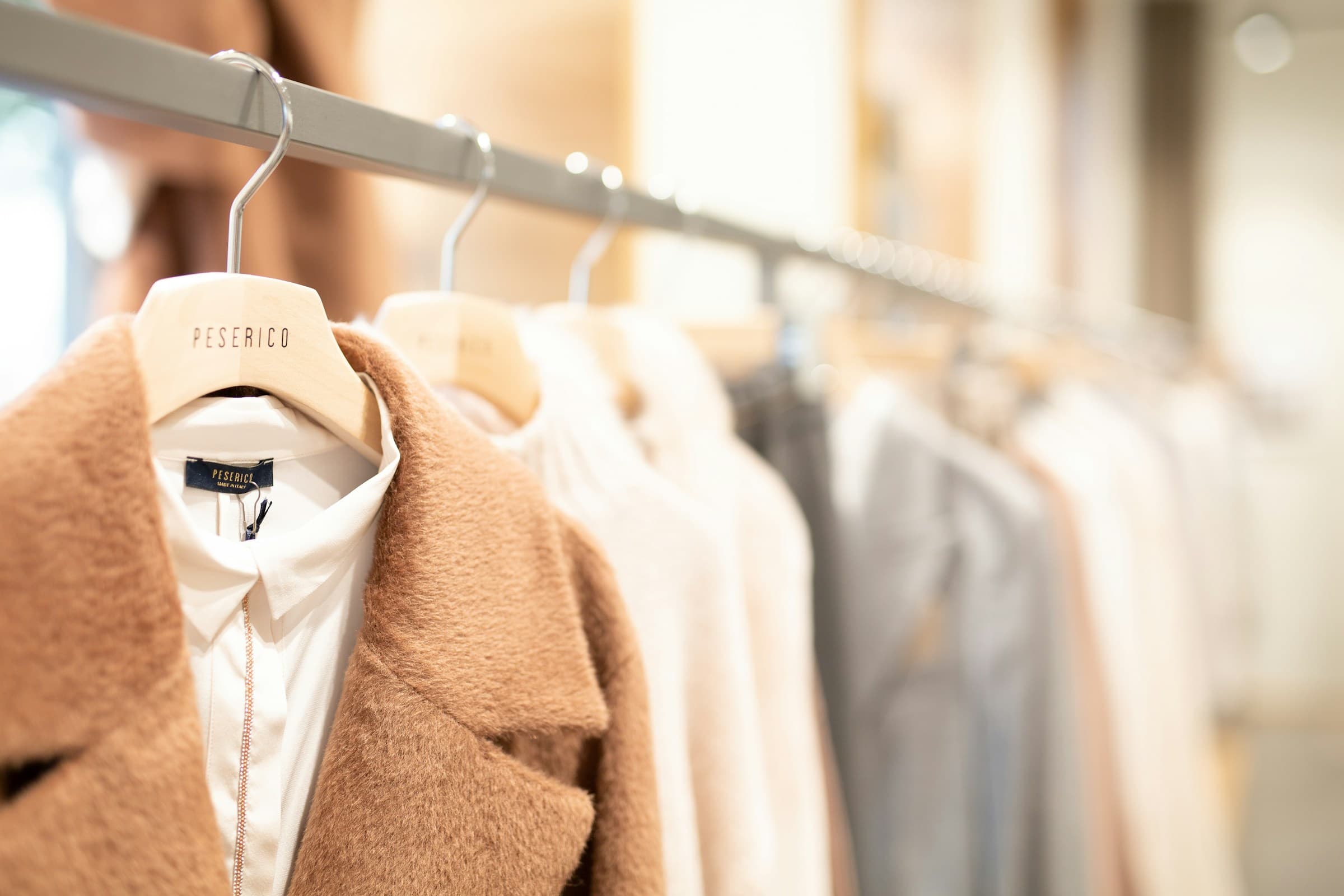
Figure
Editorial minimalism limits extractable copy, even when the in-store experience is exceptional.
Technical foundation is the sector's relative strength at 75.9 average. HTTPS, mobile rendering, and CDN delivery are largely solved. Failures concentrate on robots.txt, XML sitemap, html lang, and viewport at maisons prioritising campaign microsites or regional routing complexity.
Three patterns define Luxury AI Search performance in 2026:
These findings parallel our Apple vs Samsung and Nike vs Adidas research: category leaders are not automatically AI-ready. Measurement precedes improvement.
Luxury's AI Search challenge sits at the intersection of three macro trends. Bain & Company continues to document premium segment growth and digital channel mix; clients research online before boutique visits. McKinsey highlights generative AI's reshaping of discovery and consideration. Statista and sector analysts project sustained luxury ecommerce growth through 2026. Yet maison digital investment remains biased toward campaign experience over machine-readable infrastructure.
Average AI Readiness by parent group (assessed brands only)
Swatch Group
Brands assessed
1
Average score
79.0
Top performer
Omega (79)
Lowest performer
Omega (79)
Mayhoola
Brands assessed
1
Average score
77.0
Top performer
Valentino (77)
Lowest performer
Valentino (77)
Prada Group
Brands assessed
1
Average score
72.0
Top performer
Prada (72)
Lowest performer
Prada (72)
Kering
Brands assessed
4
Average score
64.5
Top performer
Balenciaga (74)
Lowest performer
Gucci (52)
Patek Philippe SA
Brands assessed
1
Average score
65.0
Top performer
Patek Philippe (65)
Lowest performer
Patek Philippe (65)
Richemont
Brands assessed
1
Average score
61.0
Top performer
Cartier (61)
Lowest performer
Cartier (61)
Burberry Group
Brands assessed
1
Average score
47.0
Top performer
Burberry (47)
Lowest performer
Burberry (47)
Rolex SA
Brands assessed
1
Average score
41.0
Top performer
Rolex (41)
Lowest performer
Rolex (41)
Hermès International
Brands assessed
1
Average score
40.0
Top performer
Hermès (40)
Lowest performer
Hermès (40)
LVMH
Brands assessed
4
Average score
38.5
Top performer
Dior (40)
Lowest performer
Chanel (37)*
Moncler Group
Brands assessed
1
Average score
39.0
Top performer
Moncler (39)
Lowest performer
Moncler (39)
Chanel
Brands assessed
1
Average score
37.0
Top performer
Chanel (37)
Lowest performer
Chanel (37)
Average AI Readiness by parent group (assessed brands only)
| Parent group | Brands assessed | Average score | Top performer | Lowest performer |
|---|---|---|---|---|
| Swatch Group | 1 | 79.0 | Omega (79) | Omega (79) |
| Mayhoola | 1 | 77.0 | Valentino (77) | Valentino (77) |
| Prada Group | 1 | 72.0 | Prada (72) | Prada (72) |
| Kering | 4 | 64.5 | Balenciaga (74) | Gucci (52) |
| Patek Philippe SA | 1 | 65.0 | Patek Philippe (65) | Patek Philippe (65) |
| Richemont | 1 | 61.0 | Cartier (61) | Cartier (61) |
| Burberry Group | 1 | 47.0 | Burberry (47) | Burberry (47) |
| Rolex SA | 1 | 41.0 | Rolex (41) | Rolex (41) |
| Hermès International | 1 | 40.0 | Hermès (40) | Hermès (40) |
| LVMH | 4 | 38.5 | Dior (40) | Chanel (37)* |
| Moncler Group | 1 | 39.0 | Moncler (39) | Moncler (39) |
| Chanel | 1 | 37.0 | Chanel (37) | Chanel (37) |
*Chanel is independently held; listed separately from LVMH. LVMH assessed brands: Louis Vuitton (40), Dior (40), Rimowa (37), Tiffany & Co. (37).
Category subscores by brand (0–100)
Omega
Tech
89
Meta
96
Schema
68
Content
91
Trust
75
Entity
90
AI
38
Overall
79
Valentino
Tech
87
Meta
83
Schema
70
Content
76
Trust
90
Entity
79
AI
53
Overall
77
Balenciaga
Tech
94
Meta
96
Schema
55
Content
68
Trust
83
Entity
69
AI
47
Overall
74
Prada
Tech
83
Meta
87
Schema
76
Content
68
Trust
65
Entity
71
AI
38
Overall
72
Bottega Veneta
Tech
94
Meta
96
Schema
55
Content
63
Trust
50
Entity
69
AI
53
Overall
71
Patek Philippe
Tech
94
Meta
91
Schema
32
Content
91
Trust
75
Entity
12
AI
38
Overall
65
Cartier
Tech
92
Meta
64
Schema
32
Content
91
Trust
83
Entity
12
AI
38
Overall
61
Saint Laurent
Tech
89
Meta
92
Schema
44
Content
69
Trust
57
Entity
12
AI
28
Overall
61
Gucci
Tech
87
Meta
64
Schema
32
Content
68
Trust
50
Entity
12
AI
28
Overall
52
Burberry
Tech
89
Meta
20
Schema
32
Content
72
Trust
50
Entity
12
AI
34
Overall
47
Rolex
Tech
69
Meta
29
Schema
32
Content
56
Trust
50
Entity
12
AI
28
Overall
41
Louis Vuitton
Tech
69
Meta
29
Schema
32
Content
47
Trust
50
Entity
12
AI
28
Overall
40
Hermès
Tech
74
Meta
29
Schema
32
Content
38
Trust
50
Entity
12
AI
28
Overall
40
Dior
Tech
52
Meta
38
Schema
32
Content
56
Trust
50
Entity
12
AI
28
Overall
40
Moncler
Tech
60
Meta
38
Schema
32
Content
38
Trust
50
Entity
12
AI
28
Overall
39
Chanel
Tech
49
Meta
29
Schema
32
Content
56
Trust
50
Entity
12
AI
28
Overall
37
Rimowa
Tech
49
Meta
29
Schema
32
Content
56
Trust
50
Entity
12
AI
28
Overall
37
Tiffany & Co.
Tech
46
Meta
29
Schema
32
Content
56
Trust
50
Entity
12
AI
28
Overall
37
Category subscores by brand (0–100)
| Brand | Tech | Meta | Schema | Content | Trust | Entity | AI | Overall |
|---|---|---|---|---|---|---|---|---|
| Omega | 89 | 96 | 68 | 91 | 75 | 90 | 38 | 79 |
| Valentino | 87 | 83 | 70 | 76 | 90 | 79 | 53 | 77 |
| Balenciaga | 94 | 96 | 55 | 68 | 83 | 69 | 47 | 74 |
| Prada | 83 | 87 | 76 | 68 | 65 | 71 | 38 | 72 |
| Bottega Veneta | 94 | 96 | 55 | 63 | 50 | 69 | 53 | 71 |
| Patek Philippe | 94 | 91 | 32 | 91 | 75 | 12 | 38 | 65 |
| Cartier | 92 | 64 | 32 | 91 | 83 | 12 | 38 | 61 |
| Saint Laurent | 89 | 92 | 44 | 69 | 57 | 12 | 28 | 61 |
| Gucci | 87 | 64 | 32 | 68 | 50 | 12 | 28 | 52 |
| Burberry | 89 | 20 | 32 | 72 | 50 | 12 | 34 | 47 |
| Rolex | 69 | 29 | 32 | 56 | 50 | 12 | 28 | 41 |
| Louis Vuitton | 69 | 29 | 32 | 47 | 50 | 12 | 28 | 40 |
| Hermès | 74 | 29 | 32 | 38 | 50 | 12 | 28 | 40 |
| Dior | 52 | 38 | 32 | 56 | 50 | 12 | 28 | 40 |
| Moncler | 60 | 38 | 32 | 38 | 50 | 12 | 28 | 39 |
| Chanel | 49 | 29 | 32 | 56 | 50 | 12 | 28 | 37 |
| Rimowa | 49 | 29 | 32 | 56 | 50 | 12 | 28 | 37 |
| Tiffany & Co. | 46 | 29 | 32 | 56 | 50 | 12 | 28 | 37 |
Key takeaways
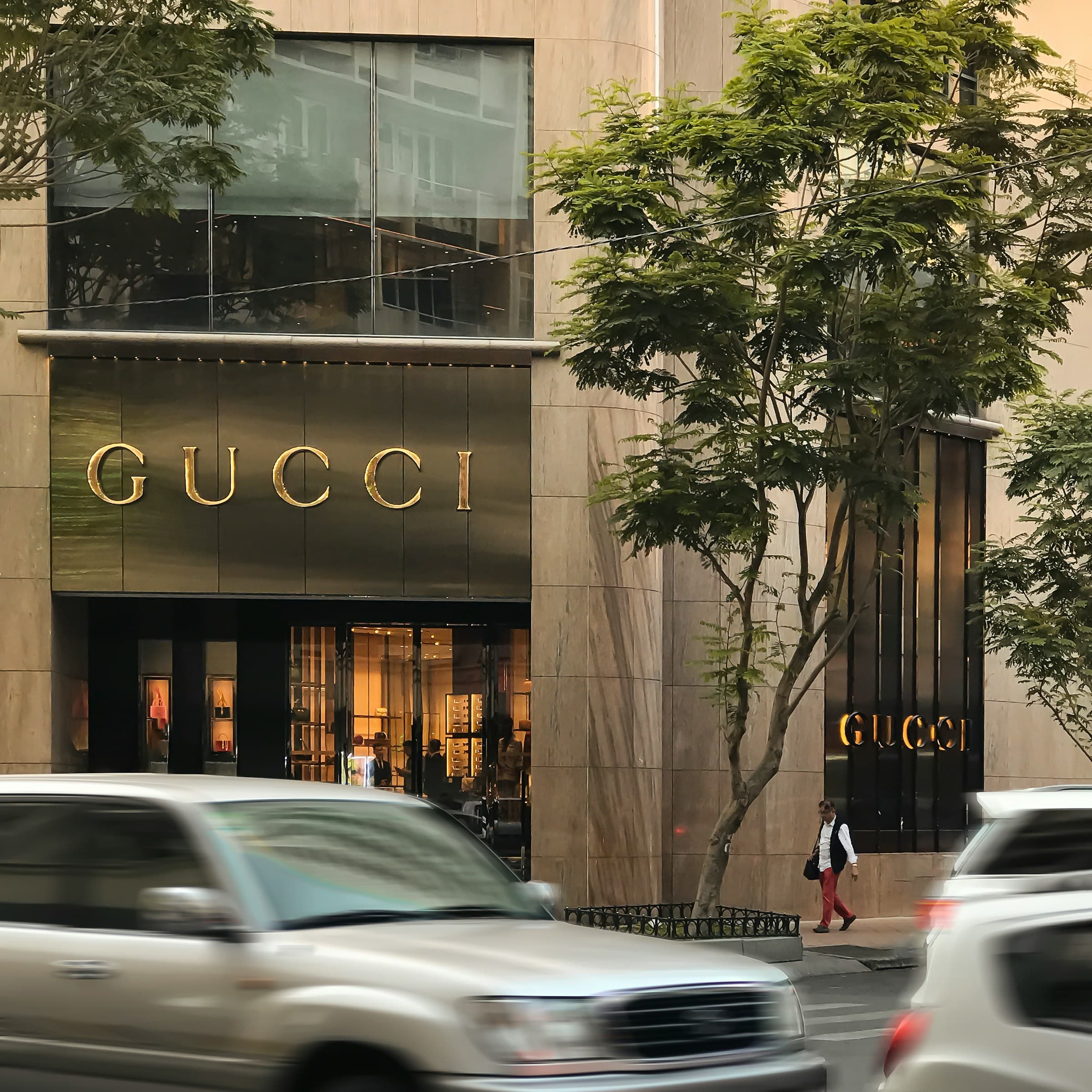
Figure
The next gains are structural: entity graphs, schema depth, answer-ready content.
FutureFox perspective
Luxury has decades of brand-building excellence. AI Search Visibility requires a new layer: structured, measurable, answer-ready architecture. The maisons that close the entity and AI readiness gaps first will own recommendation share in a market where clients ask AI before they ask a sales associate. FutureFox capabilities sequence this work after baseline measurement.
The Luxury AI Visibility Index 2026 establishes a reproducible benchmark for a sector at an inflection point. AI-mediated discovery is not hypothetical for luxury clients; it is operational today. Yet the cohort average of 53.9 and entity average of 29.7 reveal that most maisons have not translated offline prestige into online extractability.
Omega at 79 proves the index is not ceiling-limited by category. Chanel at 37 proves fame does not confer readiness. The path forward is measurement, prioritisation, and implementation, the same operating model FutureFox applies across AI Search Optimization, GEO, and enterprise ecommerce visibility. Run your baseline. Close the gaps. Return next year to see who moved.
The Luxury AI Visibility Index 2026 is FutureFox Labs' flagship annual study measuring how prepared leading luxury brands are for AI-powered search and recommendation. Each maison is scored using the deterministic FutureFox AI Readiness Assessment engine across 57 checks spanning technical foundation, metadata, structured data, content quality, trust signals, entity readiness, and AI-specific answer architecture.
Based on homepage assessment on 9 July 2026, Omega leads the index with an AI Readiness score of 79 (AI Ready tier), followed by Valentino (77), Balenciaga (74), Prada (72), and Bottega Veneta (71). No assessed maison reached the AI Optimized tier (85+). Scores reflect public-site signals only, not brand equity or revenue.
Luxury houses prioritise editorial aesthetics and controlled brand narrative over machine-readable structure. Across 18 successfully assessed brands, entity readiness averaged 29.7/100 and AI readiness averaged 34.4/100. Common gaps include missing Organization schema, absent Open Graph metadata, weak FAQ and question-based content, and limited sameAs entity linkage, signals that generative engines rely on when assembling recommendations.
Luxury Brand SEO optimises for link rankings. Luxury AI Visibility measures whether a brand can be retrieved, resolved, and recommended by ChatGPT, Gemini, Claude, Perplexity, and Google AI Overviews. That requires Answer Engine Optimization (AEO) and Generative Engine Optimization (GEO) in addition to technical SEO.
FutureFox ran the production AI Readiness engine against each maison's primary global homepage (e.g., louisvuitton.com, hermes.com, rolex.com). Scoring is deterministic: each of 57 checks contributes weighted points across seven categories. Where origins blocked the FutureFox crawler (Gucci, Prada), assessment completed via standard browser fetch with identical check logic. Fendi and Loro Piana returned HTTP 403 and are listed as unassessed.
No. Global recognition does not substitute for structured entity signals. Louis Vuitton, Hermès, Chanel, and Rolex all scored in the AI Invisible tier (below 50) despite commanding the highest brand value in the sector. Generative systems need crawlable, structured evidence, not heritage alone. See our Apple vs Samsung and Nike vs Adidas benchmarks for parallel findings in other premium categories.
AI Readiness is the degree to which a brand's owned digital properties are structured, trustworthy, and extractable enough for AI-mediated discovery. The complimentary FutureFox AI Readiness Assessment applies the same 57-check framework used in this index to any URL.
Among assessed portfolios, Kering (Balenciaga, Bottega Veneta, Saint Laurent, Gucci) averaged 64.5, ahead of LVMH maisons assessed (38.5 across Louis Vuitton, Dior, Rimowa, Tiffany & Co.). Richemont (Cartier) scored 61. Independent houses varied: Omega (79) and Valentino (77) led; Chanel (37) and Hermès (40) lagged.
Prioritise entity foundation (Organization schema, sameAs profiles, consistent naming), answer-ready content (FAQs, comparison pages, question headings), and structured data depth beyond Product markup. Our enterprise ecommerce AI search checklist and premium ecommerce visibility guide provide implementation sequences.
Yes. The Luxury AI Visibility Index is designed as an annual FutureFox Labs publication tracking how leading maisons evolve their AI Search readiness. Brands may run a private baseline anytime via the AI Readiness Assessment or engage FutureFox capabilities for implementation.
Run a free AI Readiness Assessment in under 60 seconds. See exactly where you stand, then book a complimentary strategy session if you want to act on the findings.
Score first. Strategy session when you are ready.
FutureFox Research
Receive FutureFox's original AI Search research, industry benchmarks and AI Visibility reports. No spam. Only research worth reading.
Join digital leaders following AI Search, GEO and Answer Engine Optimization research.